Building Partnerships, Strengthening Capacity, and Supporting Growth in Rural Mental Health
April 29th to May 1st, 2026

Dr. Caroline Tait
Professor in the Faculty of Social Work and the Cumming School of Medicine at the University of Calgary, whose work as a Métis scholar over the past 25 years has deeply enriched conversations around Indigenous mental health and healing.
Keynote:
“I’m not from anywhere”: did the Truth and Reconciliation Commission’s Calls to Action find their way into the Canadian criminal justice system?
Russell Purdy
Executive Director at Beccarian Correctional Care, a respected leader in addiction recovery and treatment.
Keynote:
“From Recovery to Reform: Lived Experience Leading Systemic Change in Addiction and Mental Health”
Rebeccah Love
An independent filmmaker living with Bipolar Disorder, who brings powerful insights into mental health, institutional experiences, and creative expression.
Keynote:
“EVE PARADE (2022): Psychosis, Civic Responsibility and the Imagination”
Short film screening and Discussion
In addition to keynote presentations, the conference will host a CITIZEN’S FORUM (April 30th) to engage politicians and decision-makers in meaningful dialogue about rural mental health challenges and potential solutions.
April 29th, 30th, & May 1st, 2026
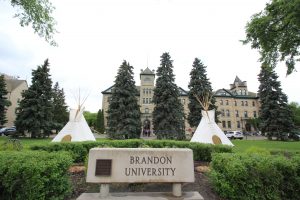
Brandon University, Brandon, Manitoba, Canada
Mental health problems directly affect approximately one in five Canadians every year (Mental Health Commission of Canada, 2013). In Manitoba, alone, there were 262 reported suicide attempts for every 100,000 Manitobans in the past five years and 28 % of adults were diagnosed with at least one of four mental health problems or addictions in the same period (Chartier et al., 2018). Mental health problems and addictions have many symptoms but they hold in common their effects on individuals, their families, coworkers and communities. They affect, and are affected by, the workplace, home, and community. Although people of all ages live with mental health challenges and addictions, some groups are more affected because of poorer access to resources and because of how society views them. Helping Canadians successfully manage these problems requires involvement from local communities and all groups involved in providing support. It is important that the support from all groups comes from understanding the personal experiences and needs of people with mental health and addiction problems. Because any individual experiencing mental health and addiction problems affects so many people around them, communities need to find solutions by learning from anyone who understands and works with people living with mental health problems and addictions.
Objectives
The overarching goal of the Mental Health on the Prairies Virtual Conference and Community Conversation is to increase the use and usefulness of mental health research on the Canadian Prairies. To do this, the event has three specific objectives:
- To provide a forum for different forms of knowledge sharing between academics, professionals working in health and social care, educators, community groups, and people with lived experience of mental health and addictions;
- Increase access and participation in knowledge exchange, particularly among groups that typically do not have a voice in the discussion;
- Provide a catalyst for future university-community knowledge co-creation and use.
 To meet these objectives, the event will include a series of lived experience and keynote speakers, along with presentations from researchers and mental health partners across Canada.
Keynote presenters will include: Dr. Caroline Tait, Rebeccah Love, & Russell Purdy, along with a focused Citizen’s Forum for all Conference Attendees to attend and engage in meaningful dialogue about rural mental health challenges and solutions. Be sure to Join the Conversation!!
Visit the Program page for more information about the conference schedule.
Visit the Guest Speakers page for more information.
We are excited to see you in Spring 2026
for the Mental Health on the Prairies Conference
and Community Conversation!
More information and announcements will be posted on the conference website in the coming months along with program details and conference registration process. We are encouraging you to check the website regularly.
For more information, please contact PrairieHealthConference@BrandonU.ca