The Bachelor of Psychiatric Nursing Degree Planning Guide provides a degree roadmap so you can stay organized, meet requirements, and move confidently toward your career in mental health.
The Mission developed for the Bachelor of Science in Psychiatric Nursing (BScPN) Degree Program at the Faculty of Health Studies commits faculty members to:
- prepare graduates at the baccalaureate level to practice psychiatric nursing safely and effectively during interactions with individuals, families, groups and whole communities;
- meet the Entry level Competencies for Registered Psychiatric Nurses in Manitoba (College of Registered Psychiatric Nurses of Manitoba) and write the Registered Psychiatric Nurses national licensing examination;
- generate new knowledge through research that is relevant to professional practice; and,
- make a contribution to the vitality of the university and other communities.
To help accomplish its mission, members teaching in the Bachelor of Science in Psychiatric Nursing Degree Program at the Faculty of Health Studies aspire to uphold the following principles:
- to provide students with an environment in which they may develop intellectually, emotionally and socially;
- to promote the pursuit, advancement, and dissemination of truth and knowledge;
- to maintain a high level of subject matter knowledge and ensure that course content is current, accurate and representative;
- to use instructional methods and strategies that, according to best evidence, are effective in helping students to achieve course objectives and expected learning outcomes;
- to ensure that assessment of students is valid, open, fair and congruent with course objectives and expected learning outcomes;
- to work respectfully and co-operatively with colleagues and students in the interest of fostering student development;
- to be aware of, respectful of, and attentive to the goals, policies and standards of practice expected of educators by Brandon University and related professional nursing associations; and,
- to encourage a climate of freedom, responsibility, and mutual respect in pursuit of these principles.
Psychiatric Nursing is a theory based profession based on scientific principles, humanistic and ethical premises, and the art of caring. The profession requires skilled use of interpersonal processes and collaboration for the purposes of health promotion, maintenance, and restoration. Cultural diversity is respected and valued. The profession of psychiatric nursing relies on critical thinking and problem solving skills in clinical, administrative, research and educational practice.
Education in psychiatric nursing reflects the standards of the profession. The goal of this education is to promote acquisition, development, synthesis, and critical analysis of knowledge, attitudes, and abilities essential to the provision of theory-based health care.
Psychiatric nursing is concerned with the health and mental health of individuals, families, groups and communities. Psychiatric nurses engage in therapeutic interactions with people to promote, maintain and restore health and mental health. They are concerned with those affected by mental illness and developmental challenges, and with the influence of society on the mental health of people
The BScPN program prepares graduates to work in a dynamic and growing profession. With their education and experience, graduates possess a unique ability to meet the challenges presented in mental health service provision and mental illness prevention.
BScPN graduates will be eligible to write the qualifying examinations for licensure as a Registered Psychiatric Nurse (R.P.N.) with the College of Registered Psychiatric Nurses of Manitoba (CRPNM) and for application to Graduate Programs
Psychiatric Nurses work independently or collaboratively as part of a clinical team in a wide variety of settings. Roles may include: staff psychiatric nurses, case managers, counselors, clinical specialists, managers, care coordinators, researchers, consultants, and faculty. Opportunities are available across urban, rural and remote areas: Acute Care Hospitals and Clinics, Child and Adolescent Treatment Centers, Developmental Habilitation Agencies, Personal Care Homes, Crisis Stabilization /Mobile Crisis Units, Community Mental Health Services, Community Support Agencies, Forensic Services, Psychosocial Rehabilitation Programs, Addiction Services, Child and Family Services, and Post-secondary educational institutions.

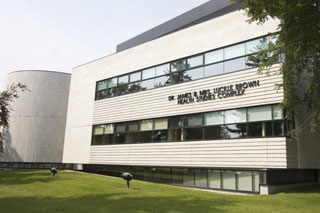 The Faculty of Health Studies offers the 4 years of the Bachelor of Science in Psychiatric Nursing (BScPN) program in the Health Studies Complex located on the Brandon University campus at 270-18th Street, Brandon.